Ginkgo Leaf SVG: A Designer’s Real-World Review
As a designer who spends more time staring at stitch simulations than I care to admit, I have learned that not every pretty graphic translates well into thread. We often get swept up in the aesthetic of a digital file, forgetting that embroidery is a tactile, three-dimensional medium. When I first opened the Ginkgo Leaf SVG, my initial reaction was one of cautious optimism. The ginkgo leaf is a classic botanical motif, recognizable for its unique fan shape and delicate veins. But does it hold up under the needle? After putting this design through its paces on various fabrics and hoop sizes, I am ready to share my honest assessment for fellow embroidery designers, Etsy sellers, and craft entrepreneurs.
First Impressions: Mood and Visual Personality
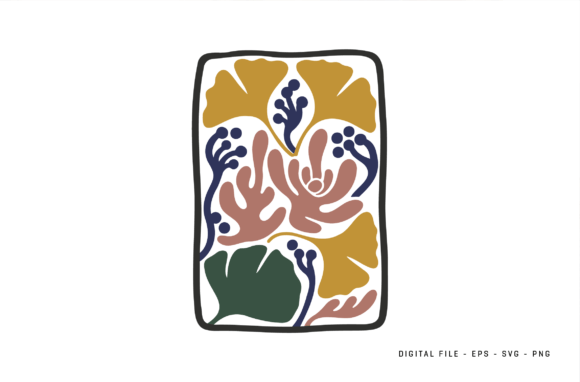
The Ginkgo Leaf SVG carries a distinct mood. It feels organic, calm, and slightly nostalgic, evoking images of autumn walks and natural textures. From a layout perspective, the design relies on clean lines and balanced negative space. This is crucial for embroidery. Overly complex illustrations often turn into muddy blobs of thread when stitched out, but this design respects the limitations of the medium. The visual personality is versatile; it is detailed enough to look professional on a boutique product but simple enough to remain clear on smaller items. As part of the broader category of Illustrations and Graphics, it stands out because it does not try to do too much. It knows what it is: a elegant, nature-inspired accent.
The Real-World Test: From Screen to Stitch
To truly evaluate a machine embroidery design, you have to take it off the screen. I decided to test this file on a custom embroidered tote bag, a project that is incredibly popular among small shop owners. Tote bags are typically made from canvas or heavy cotton, which provides a stable base for stitching. I loaded the embroidery file into my software, checked the stitch density, and hooped up some natural-colored linen.
The result was impressive. The fan shape of the ginkgo leaf allowed for smooth fill stitch work without excessive jumping or trimming. The edges remained crisp, thanks to what appeared to be a well-planned satin stitch border. For Etsy sellers looking to create handmade products that feel high-end, this level of clarity is non-negotiable. Customers can spot messy stitching from a mile away, and this design minimizes that risk. I also tested it as a sweatshirt embroidery piece on a heather grey fleece. The texture of the fabric absorbed the thread nicely, giving the leaf a soft, integrated look rather than sitting stiffly on top. This makes it an excellent choice for custom apparel where comfort is key.
Versatility Across Product Lines
One of the strongest assets of the Ginkgo Leaf SVG is its adaptability. I see this design working beautifully across a wide range of embroidery projects. For baby embroidery, the gentle curves and natural theme fit perfectly on onesies or nursery decor. When scaled down, it retains its identity, making it suitable for embroidered patch creation or pocket details on shirts.
For those running a craft business, versatility equals profitability. You can use this single design for holiday embroidery gifts in the fall, wedding gifts with a nature theme, or everyday personalized gift items. It also translates well to home goods. Imagine this leaf stitched onto a kitchen towel or a pillow cover. The organic shape complements the softness of textiles, enhancing the visual appeal of the finished product. Furthermore, because the file includes high-resolution transparent PNGs, it is not limited to stitching. You can use it for printable mockup previews, vinyl decals, or stickers, expanding your design assets library without needing multiple purchases.
Where to Exercise Caution
While I am generally pleased with this design, there are areas where you need to be careful. Embroidery is unforgiving on certain surfaces. If you plan to use this on stretchy fabric like jersey knits, you must use a proper stabilizer. Without it, the fill stitches may pucker the fabric, distorting the elegant shape of the leaf. Similarly, be mindful of hoop size. If you are working with a small 4x4 hoop, ensure you scale the design appropriately so that the finer details of the veins do not become lost.
I would also advise caution when stitching on dark fabric if you are using lighter thread colors. The contrast is beautiful, but any gaps in the stitch density will show the background fabric more prominently. Always run a test stitch on scrap fabric first. This is a golden rule for any professional commercial embroidery project. Check how the thread colors interact with your specific material. What looks good on white cotton might look dull on navy blue polyester.
Enhancing Brand Value and Customer Trust
Why does the quality of a single digital embroidery file matter so much? Because it directly impacts your brand consistency and customer trust. When a buyer receives a small shop product with clean, well-digitized embroidery, they perceive higher value. The Ginkgo Leaf SVG contributes to this perception. It looks intentional and polished. For apparel decorators and creative entrepreneurs, using high-quality Graphics like this helps differentiate your offerings from mass-produced items. It signals that you care about the details. This attention to detail drives buyer engagement and encourages repeat customers who appreciate the craftsmanship of a true finished product.
Practical Notes for the Working Designer
Before you list this design in your store or start stitching for a client, here are my final practical recommendations:
- Check the License: The product description mentions it is a digital design file for various uses. Always confirm the licensing terms before selling commercial embroidery items or using it in digital product bundles. Ensure you have the right to sell the finished product.
- Test on Scrap: Never skip the test stitch. Use the same fabric and stabilizer combination you plan to use for the final item.
- Review File Formats: You will receive a ZIP folder including an Editable EPS File, SVG Design, and High Resolution Transparent PNG. Note that for machine embroidery, you may need to convert the SVG or EPS into your machine's native format (like PES or DST) using your digitizing software, unless a specific embroidery file format is also provided. Verify this before purchase if you are not comfortable converting files.
- Contrast is Key: Play with thread colors. A monochromatic look can be subtle and chic, while contrasting colors make the leaf pop. Test both options.
- Consider the Fabric Texture: Smooth fabrics like cotton broadcloth will show the stitch definition best. Textured fabrics like linen add character but may obscure fine details.
In conclusion, the Ginkgo Leaf SVG is a solid addition to any designer’s toolkit. It balances aesthetic beauty with technical practicality. Whether you are creating a tote bag design for a local market or a personalized gift for a friend, this design offers the reliability and elegance needed for professional results. Just remember to respect the medium, test your materials, and let the natural beauty of the ginkgo leaf shine through your craftsmanship.