Reviewing If Dad Can t Fix It We re All Screwed
As an embroidery designer who has spent years digitizing and reviewing thousands of files, I have learned that the best designs are not always the most complex. Sometimes, the most impactful pieces for a craft business are those that rely on strong typography, relatable humor, and clean execution. Recently, I took a close look at the digital file titled If Dad Can t Fix It We re All Screwed. This is not just another novelty phrase; it is a piece of cultural shorthand that resonates deeply with a specific audience. My goal in this review is to evaluate how this design performs in real-world scenarios, moving beyond the screen to consider its viability as a machine embroidery design for actual products.
First Impressions and Visual Personality
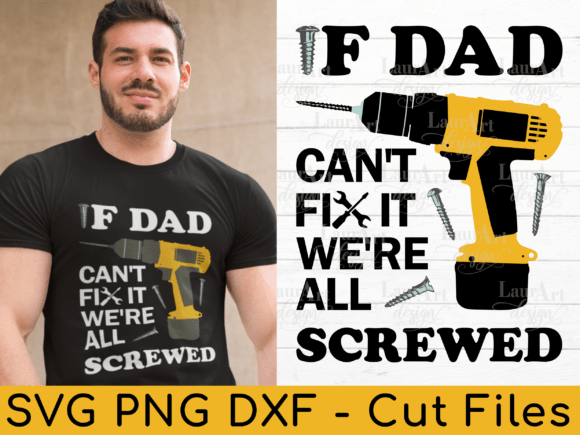
The immediate mood of If Dad Can t Fix It We re All Screwed is one of playful confidence mixed with affectionate reliance. It taps into the universal trope of the handy father figure, making it an instant hit for Father’s Day, birthdays, or everyday wear. Visually, the layout appears straightforward, which is often a blessing in embroidery. Complex, overly detailed graphics can sometimes lose their charm when translated into thread, but this design relies on legibility and impact.
When evaluating the shape and theme, I noticed that the text-heavy nature of the graphic requires careful attention to font choice and spacing. Since the product description notes that no fonts are included, this implies the design likely comes as a pre-digitized graphic where the lettering has already been converted into stitches. This is crucial for Etsy sellers and small shop owners because it removes the variable of font licensing. The visual personality is bold and declarative. It does not try to be subtle. For a T-Shirt Designs category item, this directness is exactly what drives engagement. Customers scrolling through online marketplaces need to read the message instantly, and this design delivers that clarity.
Real-World Application: The Sweatshirt Test
To truly understand the value of this embroidery file, I imagined applying it to a high-quality cotton blend sweatshirt. This is a classic use case for custom apparel. The texture of a sweatshirt provides a stable base for stitching, allowing the threads to sit prominently without sinking into the fabric. In this scenario, the design acts as the centerpiece. I visualized using a contrasting thread color—perhaps a deep navy on a heather gray garment—to maximize readability.
The reaction from a potential buyer would likely be immediate recognition and amusement. It is the kind of personalized gift that gets worn repeatedly because it feels personal yet universally understood. For a handmade product line, this design offers versatility. It works equally well on a rugged canvas tote bag design for a dad who carries tools, or on a softer jersey knit for a casual tee. The key here is the emotional connection. When a customer sees this stitched onto a finished product, they are not just buying embroidery; they are buying a sentiment that validates their family dynamic.
Technical Considerations for Stitching
From a technical standpoint, working with text-based Graphics requires precision. One of the primary concerns with any phrase-based design is the stitch density. If the letters are too dense, the fabric may pucker, especially on thinner materials. Conversely, if the density is too low, the backing fabric might show through, ruining the professional look. As a reviewer, I advise testing this design on scrap fabric first. This is non-negotiable for maintaining quality control in a commercial embroidery setting.
You must also consider the type of stitches used. A well-digitized file will likely utilize a combination of satin stitch for smaller elements or borders and fill stitch for larger letter bodies. However, if the design includes very small text or intricate details, you need to ensure your machine can handle the resolution. Tiny lettering can become a blob of thread if the hoop size is too small or if the needle deflection is not accounted for. I recommend inspecting the design at 100% zoom on your computer before loading it into the machine. Look for any stray stitches or overlapping paths that could cause thread breaks.
Another critical factor is the stabilizer. For a design of this nature, which likely covers a moderate area, a cut-away stabilizer is often safer than tear-away, especially if the garment will be washed frequently. This ensures the design remains flat and does not distort over time. If you are stitching on a curved surface, such as a cap, you must check whether the design has been optimized for that curvature. Standard flat designs can warp when applied to hats, so confirm the intended application before starting.
Navigating Fabric and Color Challenges
The versatility of If Dad Can t Fix It We re All Screwed depends heavily on your choice of thread colors and fabric. On dark fabrics, you will need high-contrast threads to ensure the message is readable. On light fabrics, you have more freedom, but you must still ensure the text does not blend into the background. I always suggest creating black and white mockups to test contrast before committing to thread selection.
Be cautious with textured fabrics like terry cloth or heavy fleece. The pile of these fabrics can obscure fine details. If the design has thin lines or small serifs, they may get lost. In such cases, increasing the stitch width slightly or choosing a bolder version of the design can help. For baby embroidery or delicate items, ensure the back of the stitching is covered or softened, as rough stitch backs can irritate sensitive skin. While this design is humorous and geared towards adults, the principle of comfort applies to all embroidery projects.
Commercial Viability and Brand Consistency
For digital product sellers and creative entrepreneurs, this design represents a strong asset. It fits neatly into niches like Father’s Day, DIY dad gifts, and handyman-themed decor. However, it is vital to adhere to the licensing terms. The description clearly states that this is a digital item and digital resale is not allowed. This means you cannot sell the file itself. You can, however, sell the finished product, such as an embroidered patch or a shirt, provided you follow the specific guidelines.
One important reminder from the product description is to watermark the design when used on physical products for display purposes. This protects your intellectual property and prevents others from copying your unique presentation. When building a brand, consistency is key. If your shop specializes in witty, text-based apparel, this design aligns perfectly. If your brand is more floral or traditional, this might feel out of place. Know your audience.
Final Verdict for Makers
In conclusion, If Dad Can t Fix It We re All Screwed is a solid addition to any designer’s library of design assets. It offers high commercial potential due to its relatable theme and clear messaging. Success with this file will depend on your technical execution: choosing the right stabilizer, testing on scrap fabric, and selecting appropriate thread colors. Whether you are creating a holiday embroidery gift or stocking your small shop product lineup, this design holds up under scrutiny. Just remember to verify all technical specs like hoop size and format compatibility with your specific machine before you begin. With proper preparation, this design can become a bestseller in your collection of custom apparel and handmade goods.