Royali-Tea Duck Teacup Sticker: A Designer’s Review
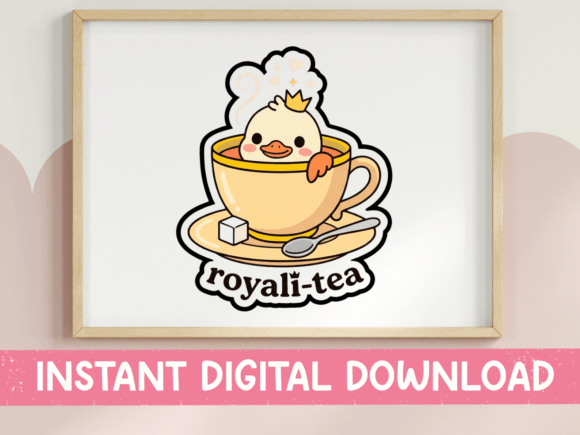
As an embroidery designer who has spent years digitizing and testing thousands of motifs, I have learned that the difference between a charming finished product and a frustrating mess often lies in the initial design selection. When I first pulled up the Royali-Tea Duck Teacup Kawaii Sticker on my screen, my immediate reaction was one of cautious optimism. The concept is undeniably cute—a fluffy yellow duckling wearing a tiny gold crown, nestled inside a steaming cream-colored teacup. It plays on the popular "royal tea" pun, appealing directly to tea lovers and duck enthusiasts alike. However, cuteness alone does not make a viable machine embroidery design. I needed to know if this graphic would hold up under the needle.
First Impressions and Visual Personality
The mood of this piece is soft, whimsical, and inviting. From a layout perspective, the circular nature of the teacup provides a natural boundary, which is excellent for containment within standard hoop sizes. The visual personality leans heavily into the kawaii aesthetic, characterized by simplified shapes and expressive features. For those of us creating T-Shirt Designs or Graphics for digital printing, these elements translate easily. But for embroidery, we must look deeper. The "fluffy" texture of the duckling suggests a need for careful stitch planning. If handled poorly, fluffy textures can become dense, stiff patches that ruin the drape of a garment. My hope was that the digitizer had used a combination of fill stitch variations and perhaps some satin stitch borders to define the edges without over-complicating the interior.
Real-World Application: The Tote Bag Test
To truly evaluate the Royali-Tea Duck Teacup Kawaii Sticker, I imagined a specific real-life scenario. A client requested a set of custom tote bags for a local bridal shower, with a theme centered around "afternoon tea and relaxation." This design seemed perfect for the occasion. I visualized stitching it onto a heavy canvas tote. The cream color of the teacup would need to pop against the natural beige of the canvas, while the yellow duckling would add a vibrant focal point.
In this context, the design functions as more than just decoration; it becomes a conversation starter. The tiny gold crown adds a touch of elegance that elevates the piece from childish to chic, making it suitable for adult recipients. When considering handmade product lines for an Etsy seller, this versatility is crucial. A design that only works for baby items limits your market, but one that bridges the gap between nursery decor and adult accessories increases its commercial value. I could easily see this working as a sweatshirt embroidery piece for a cozy fall collection or as a charming detail on a kitchen apron.
Technical Considerations for Stitching
While the aesthetic appeal is high, the technical execution requires attention to detail. One of the primary concerns with any design featuring small, distinct elements—like the tiny gold crown—is stitch density and registration. If the crown is too small relative to the overall hoop size, the stitches may merge, losing definition. I always advise checking the zoomed-in view of your embroidery file before loading it onto the machine. Are the lines clean? Is there adequate spacing between the duckling and the rim of the cup?
Fabric choice plays a pivotal role here. On textured fabrics like terry cloth or waffle knit, fine details can get lost. For the Royali-Tea Duck Teacup Kawaii Sticker, I would recommend using a smooth, tightly woven cotton or a stable polyester blend. If you are attempting this on stretchy fabric, such as a jersey t-shirt, a high-quality cut-away stabilizer is non-negotiable. Without proper support, the weight of the stitches could cause the fabric to pucker, distorting the round shape of the teacup.
Another critical factor is thread color contrast. The description mentions a cream-colored cup and a yellow duck. On light fabrics, this low-contrast palette can look washed out. I suggest testing the design on scrap fabric first, perhaps adding a subtle outline or shadow effect if your digitizing software allows, to ensure the elements remain distinct. Conversely, on dark fabrics, you will need to ensure the underlay is sufficient to prevent the background color from showing through the lighter threads.
Commercial Viability and Brand Consistency
For craft business owners and small shop product creators, consistency is key to building brand trust. This design fits well into a broader collection of kitchen-themed or animal-themed design assets. It has the potential to become a signature item if marketed correctly. Imagine pairing this embroidered patch with matching coasters or tea towels. The cohesive look enhances the perceived value of the finished product.
However, be mindful of where you place it. Curved surfaces like caps can distort circular designs if not hooped correctly. For baby embroidery, ensure that all elements are securely stitched down to withstand frequent washing. Loose threads or poorly secured satin columns can unravel quickly in the dryer, leading to customer dissatisfaction. Always review the license terms associated with your digital embroidery file. While many designers allow commercial use for physical items, restrictions may apply to digital redistribution or large-scale manufacturing.
Practical Designer Notes
Before you commit to a full production run, take these practical steps:
- Test on Scrap Fabric: Never skip this step. Use the same fabric and stabilizer combination you plan to use for the final item.
- Check Thread Colors: Compare your actual thread spools to the on-screen preview. Monitors can be deceptive.
- Review Stitch Density: High density can make the fabric stiff. Ensure the balance between coverage and flexibility.
- Inspect Small Details: Zoom in on the crown and the steam lines. Are they too fine for your machine’s needle size?
- Mockup Testing: Create black and white mockups to check for contrast issues before stitching.
- Confirm Licensing: Verify whether the design allows for commercial sales of finished goods.
Final Verdict
The Royali-Tea Duck Teacup Kawaii Sticker is a delightful addition to any designer’s library, provided it is approached with technical diligence. It offers strong visual appeal for holiday embroidery projects, personalized gifts, and boutique merchandise. Its strength lies in its emotional connection—it evokes warmth and humor. By paying attention to fabric texture, stabilizer choice, and stitch clarity, you can transform this digital asset into a high-quality physical product that customers will love. Whether you are decorating a tote bag design for a friend or creating inventory for your online store, this design has the potential to shine, as long as you respect the mechanics of the medium.