Danger High Voltage Sign: A Designer’s Review
As an embroidery designer who has spent years digitizing and stitching everything from delicate monograms to bold industrial logos, I approach every new machine embroidery design with a mix of curiosity and skepticism. We have all been there: you download a file that looks crisp on the screen, only to find it turns into a puckered mess or an illegible blob once the needle hits the fabric. That is why I took a close look at the Danger High Voltage Warning Hazard Sign to see if it holds up under the pressure of real-world production.
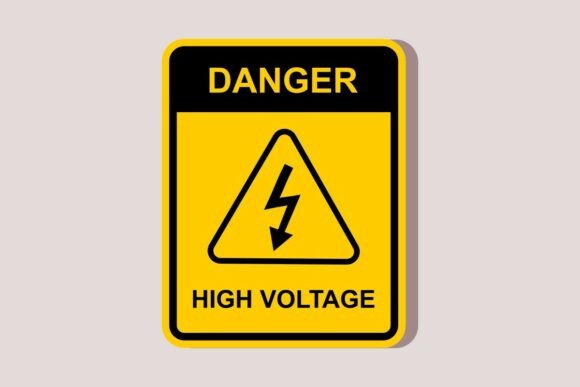
This isn’t just another generic clipart upload. The Danger High Voltage Warning Hazard Sign features a bold warning design with a high voltage lightning bolt symbol inside a hazard sign shape. For those of us in the craft business, particularly Etsy sellers and boutique owners, finding graphics that translate well from digital pixels to physical thread is half the battle. This piece falls under the category of Illustrations and Graphics, but its utility goes far beyond static print. It carries an attitude—industrial, edgy, and unmistakably clear.
First Impressions and Visual Personality
The first thing that strikes me about this design is its structural integrity. Warning signs rely on immediate recognition, and the triangular hazard shape combined with the lightning bolt is a universal language. In terms of embroidery, this geometric clarity is a double-edged sword. On one hand, sharp angles and straight lines are easier to read than complex shading. On the other hand, they require precise digitizing to avoid jagged edges.
The mood here is playful yet authoritative. It fits perfectly into the current trend of "industrial chic" or ironic safety-themed decor. I can immediately visualize this on a rugged canvas tote bag design for a musician’s gear, or as a cheeky accent on a mechanic’s work shirt. It does not try to be soft or subtle, which actually makes it easier to work with. You know exactly what you are getting: a bold statement piece.
Real-World Application: The Custom Sweatshirt Test
To truly evaluate the Danger High Voltage Warning Hazard Sign, I imagined a specific client project. Let’s say a customer wants a custom hoodie for their partner who is an electrician. They want something fun but relevant. This design is the perfect candidate. However, placing a graphic of this nature on a sweatshirt requires careful planning.
Sweatshirts are thick, often textured, and prone to shifting. If this were a poorly digitized embroidery file, the dense areas of the lightning bolt might cause the fabric to pucker. In my mental simulation of stitching this out, I would prioritize using a cut-away stabilizer to support the weight of the stitches. The bold lines suggest that a combination of satin stitch for the borders and fill stitch for the interior yellow or orange sections would work best. This approach ensures the design remains flat and professional, rather than looking like a raised, lumpy afterthought.
For small shop product lines, consistency is key. If you are selling these as part of a themed collection, the visual weight of this sign needs to balance well with other items. It pairs surprisingly well with minimalist text embroidery, creating a balanced composition that feels intentional rather than cluttered.
Navigating Fabric and Hoop Constraints
While the design is strong, it is not without its limitations. As experienced makers know, context is everything. Here is where you need to exercise caution with the Danger High Voltage Warning Hazard Sign:
- Small Hoop Sizes: If you are working with a 4x4 inch hoop, ensure the design scales down without losing the definition of the lightning bolt. Tiny details can get lost if the stitch density is too high for the reduced size.
- Textured Fabrics: On towels or fleece, the sharp points of the triangle might get swallowed by the pile. A tighter underlay stitch is crucial here to keep the edges crisp.
- Stretchy Fabric: Avoid placing this large, dense graphic on thin jersey knits without proper stabilization. The tension from the fill stitches can distort the garment, ruining the fit of your custom apparel.
- Dark Fabric: This design relies on contrast. If stitching on black or navy, you must use high-visibility thread colors. A quick test on scrap fabric is non-negotiable to ensure your yellow or white threads pop against the background.
For curved surfaces like caps, this design could work as an embroidered patch rather than direct-to-garment stitching. Hooping a cap correctly for a wide, triangular design can be tricky due to the curvature. Creating a separate patch allows you to stabilize it perfectly on flat fabric first, then attach it to the hat for a cleaner, more durable finish.
Commercial Value and Buyer Engagement
From a business perspective, the Danger High Voltage Warning Hazard Sign has high potential for niche markets. It appeals to a specific demographic: tradespeople, gamers, fans of retro industrial aesthetics, and parents looking for unique personalized gift options for older children or teens. It is not a typical baby item, but it could work for a "future engineer" onesie if scaled appropriately and stitched with softer threads.
When listing this as a finished product on platforms like Etsy, the visual appeal of the stitched sample matters immensely. Buyers need to see that the lines are straight and the colors are vibrant. Using this design in your printable mockup previews can help customers visualize the end result, but nothing beats a photo of the actual stitched item. The professionalism of your stitching directly impacts customer trust. A clean, well-executed version of this hazard sign signals quality, whereas a messy one suggests amateurism.
Practical Notes for the Embroidery Designer
Before you commit to producing a batch of these for your small business merchandise or adding them to your library of design assets, take these practical steps:
- Test on Scrap Fabric: Always run a test stitch-out on the same type of fabric you plan to use for the final product. Check for thread breaks and tension issues.
- Check Thread Color Contrast: Ensure your chosen palette maintains the warning sign’s visibility. Traditional yellow and black are safest, but creative colorways can work if the contrast remains high.
- Review Stitch Density: If the file allows for editing, check the density. Too much fill can make the fabric stiff; too little can show the background fabric through the design.
- Confirm Licensing: Since this is a vector illustration adapted for embroidery, verify the license terms. Can you sell finished items? Can you use it in commercial branding? Never assume; always check the documentation provided with the digital embroidery file.
- Inspect Small Details: Zoom in on the corners of the triangle and the tips of the lightning bolt. These are the failure points. If they look jagged in the preview, they will look worse when stitched.
In conclusion, the Danger High Voltage Warning Hazard Sign is a robust, versatile addition to any designer’s toolkit. It bridges the gap between functional safety signage and trendy graphic art. Whether you are creating holiday embroidery gifts for the handyman in your life or stocking your online store with edgy apparel decorators staples, this design delivers impact. Just remember that the difference between a good product and a great one lies in the execution. Respect the fabric, choose your stabilizer wisely, and let the bold lines of this hazard sign do the talking.