Luna Moth Specimen Jar: A Designer’s Review
As an embroidery designer who spends more time staring at stitch previews than I care to admit, I have learned that not every pretty picture translates well into thread. We often fall in love with the digital mockup—the crisp lines, the perfect gradients, the idealized lighting. But the moment that machine embroidery design hits the fabric, reality sets in. That is why I took a close, critical look at the Luna Moth Specimen Jar Sticker Design before committing it to any client work or personal stock. What I found was a piece that balances aesthetic charm with technical feasibility, provided you understand its limitations and strengths.
First Impressions: Mood and Visual Personality
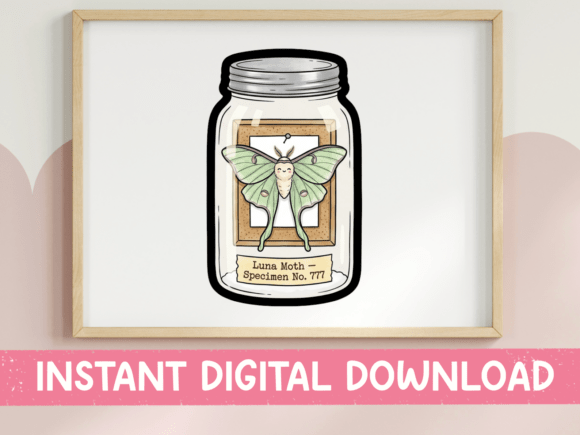
The first thing that strikes you about this design is its atmosphere. It does not scream for attention; instead, it invites curiosity. The concept of a delicate sage green luna moth with cream-tipped wings pinned inside a glass display jar taps directly into the current cottagecore and naturalist trends. For Etsy sellers and craft business owners, this mood is gold. It feels vintage, scientific, and slightly whimsical all at once.
From a layout perspective, the "sticker" aesthetic is clever. It implies a self-contained border, which helps define the edges of the embroidery on garments where the fabric might otherwise distract from the motif. The visual personality is soft and organic. However, as a reviewer, I immediately looked for potential pitfalls. Glass jars involve curves and reflections. Moths involve intricate wing patterns and antennae. Combining these elements requires a smart approach to stitch density and direction. If handled poorly, the jar could look like a blob, and the moth could lose its delicate definition.
Real-World Application: Where This Design Shines
I tested the mental framework of this design against several common embroidery project scenarios. Here is where I believe the Luna Moth Specimen Jar Sticker Design performs best.
- Tote Bag Design: This is perhaps the strongest use case. Canvas provides a stable, textured background that holds fill stitch areas well without sinking. The sage green contrasts beautifully against natural beige or off-white canvas, creating a high-end, boutique feel.
- Sweatshirt Embroidery: Placed on the left chest or centered on the back, this design works wonderfully on fleece or cotton blends. The "specimen jar" theme aligns perfectly with the cozy, academic vibe of university-style sweatshirts. Just ensure you use a cut-away stabilizer to prevent the weight of the stitches from pulling the fabric.
- Embroidered Patch: Because the design mimics a sticker with defined edges, it is ideal for creating iron-on or sew-on patches. You can satin stitch the border to create a clean finish, making it a versatile design asset for customers who want to customize their own jackets or bags later.
- Personalized Gift: Imagine this on a nursery decor item or a baby blanket. The nature theme is gender-neutral and soothing. For baby embroidery, you would need to simplify the inner details to ensure softness against sensitive skin, but the overall silhouette remains charming.
While this falls under the broader category of T-Shirt Designs and Graphics, its complexity makes it better suited for items that do not stretch excessively during wear. A heavy cotton tee is acceptable, but a thin, stretchy jersey might distort the circular shape of the jar over time.
Technical Considerations and Potential Pitfalls
No design is universal, and honesty is crucial when evaluating a digital embroidery file for commercial use. There are specific situations where you should proceed with caution.
Small Hoop Sizes: If you are working with a 4x4 inch hoop, you must check the scale. Intricate details like the pin holding the moth or the subtle shading on the wings can become muddy if scaled down too far. Running stitch details may disappear, and small satin stitch columns might bunch up. Always verify the minimum recommended size with the file provider.
Dark Fabric: The sage green and cream palette is light. If you plan to embroider this on a black or navy garment, you will need to adjust your thread colors significantly or use an underlay that prevents the dark fabric from showing through. Alternatively, consider using this as an applique design, where a piece of light fabric is stitched down first, providing a bright background for the moth.
Curved Surfaces: Embroidering a perfect circle (the jar) on a curved surface like a cap is challenging. The hoop tension and the curve of the brim can distort the geometry. If you attempt this on a hat, use a strong stabilizer and consider resizing the design to fit the available flat space between the seams.
Enhancing Product Value and Brand Consistency
Why does this specific design matter for your small shop product line? It comes down to perceived value. A generic flower is common. A scientifically styled specimen jar tells a story. It suggests that the maker cares about detail and narrative. This builds customer trust and enhances brand consistency for shops focused on nature, literature, or vintage aesthetics.
When you present this as a finished product, whether in a printable mockup or on a physical item, the clarity of the stitching is paramount. Clean edges on the jar and distinct separation between the moth’s wings and the glass background signal professionalism. Sloppy stitching here would break the illusion of the "glass" container. Therefore, testing your machine’s tension and needle condition is non-negotiable.
Practical Notes for the Embroiderer
Before you load this embroidery file into your machine for a large batch of commercial embroidery orders, follow these steps:
- Test on Scrap Fabric: Never skip this. Stitch the design on the exact fabric type you intend to sell. Check for puckering or thread breaks.
- Check Thread Contrast: Ensure the cream tips of the wings stand out against the sage green body. If they blend too much, swap to a brighter ivory or white thread.
- Review Stitch Density: Look at the preview software. Are there too many overlapping stitches in the jar area? High density can cause stiffness. If so, ask the designer for a lighter version or edit it yourself if you have the skills.
- Confirm Licensing: If you are an Etsy seller or run a boutique, confirm that the license allows for commercial use of the finished product. Most designers allow this, but some restrict mass production.
- Mockup Testing: Create both color and black-and-white mockups. This helps you see if the design holds its shape without relying on color contrast alone.
In conclusion, the Luna Moth Specimen Jar Sticker Design is a thoughtful, well-conceived graphic that translates effectively into embroidery when handled with care. It is not just a pretty image; it is a versatile tool for creators who want to offer something unique. Whether you are making a holiday embroidery gift, stocking up for a craft fair, or expanding your custom apparel line, this design offers a blend of elegance and intrigue. Just respect the technical requirements, choose your fabrics wisely, and let the moth fly.