Review: Believe in Yourself Design for Embroidery
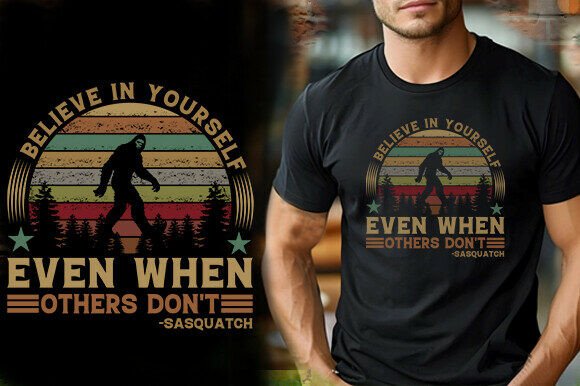
As a designer who spends more time staring at stitch previews than I care to admit, I have learned that not every graphic translates well to thread. We often see bold, motivational typography in the world of T-Shirt Designs and digital Graphics, but moving those concepts into the tactile realm of machine embroidery requires a different eye. Recently, I evaluated the BELIEVE in YOURSELF EVEN when OTHERS DON design to determine its viability for real-world production. This is not just about whether the phrase is inspiring—it is about whether the layout, weight, and composition hold up under the needle.
First Impressions and Visual Personality
The immediate mood of this piece is defiant yet supportive. It targets a specific emotional niche: resilience. Visually, the design relies heavily on typographic hierarchy. The emphasis on "BELIEVE" and "YOURSELF" suggests a bold, heavy font choice, while the trailing phrase likely offers a contrast in weight or style. For an embroidery project, this contrast is crucial. If every letter were the same thickness, the design would look like a solid block of thread, losing readability and elegance.
From a reviewer’s perspective, the strength here lies in the message’s universality. It fits seamlessly into the current market demand for mental health awareness and self-affirmation apparel. However, the challenge with text-heavy designs is always legibility. In digital formats, pixels are sharp. In embroidery, threads have texture, pull, and dimension. My initial assessment focused on whether the spacing between words allows for clean stitching without the threads merging into one another, especially in the smaller connecting phrases.
Real-World Application: The Sweatshirt Test
To truly understand how this machine embroidery design performs, I visualized it on a mid-weight cotton fleece sweatshirt. This is a staple product for any Etsy seller or craft business owner. The texture of fleece provides a forgiving background for satin stitches, allowing the bold letters of "BELIEVE" to pop.
I imagined producing this as a left-chest logo for a custom apparel order. The horizontal layout works well here, spanning comfortably across the pectoral area without wrapping too far around the side seams. When stitched, the satin stitch borders would need to be tight to prevent fraying, while the interior might utilize a fill stitch if the letters are large enough, or remain open if they are outlined. The result is a professional-looking garment that feels substantial. It is not just a print; it has depth. Customers touching the raised threads feel the quality, which directly increases the perceived value of the finished product.
Versatility Across Product Lines
Beyond sweatshirts, this design shows promise in several other categories. For a tote bag design, the motivational quote aligns perfectly with the eco-conscious, positive vibe many shoppers look for in reusable bags. Here, the durability of the thread becomes a selling point. Unlike ink, which can crack or fade after repeated washing, high-quality polyester or rayon thread maintains its vibrancy.
I also considered its use on an embroidered patch. Patches are trending as customizable accessories for jackets and backpacks. If this design is digitized with a merrowed edge or a simple satin border, it becomes a standalone design asset that can be sold separately or applied to various garments. This versatility makes it a strong candidate for commercial embroidery projects where bulk production efficiency matters.
Technical Considerations and Potential Pitfalls
While the concept is strong, practical execution requires caution. Text-based designs are unforgiving on certain fabrics. If you attempt to stitch BELIEVE in YOURSELF EVEN when OTHERS DON on a thin, stretchy material like a lightweight jersey t-shirt, you risk puckering. The tension from the stitches can distort the fabric, making the text look wavy rather than straight. In such cases, using a high-quality cut-away stabilizer is non-negotiable.
Another critical factor is hoop size. If the design is wide, it may require a larger hoop, which limits the types of machines that can produce it. For home hobbyists with standard 4x4 or 5x7 hoops, this design might need to be scaled down or split, which could disrupt the flow of the sentence. Always check the dimensions provided in the digital embroidery file before committing to a purchase.
Furthermore, consider the stitch density. If the digitizer has packed too many stitches into the bold letters, the design will become stiff and board-like. This is particularly problematic for items like baby clothes or soft blankets, where comfort is paramount. A lighter touch, perhaps using a running stitch for finer details or reducing fill density, can maintain the visual impact while preserving the fabric's drape.
Navigating Dark and Textured Fabrics
Color contrast is another element that can make or break this design. On a white tote or light gray sweatshirt, dark threads will stand out sharply. However, on dark navy or black garments, you must ensure the thread colors are vibrant enough to be read from a distance. Neon or metallic threads can add a modern twist, but they often require slower stitching speeds and careful tension adjustments. I recommend testing the design on scrap fabric of the same color and texture as your final product. This simple step saves hours of frustration and prevents wasted materials.
Enhancing Brand Value and Customer Trust
For small shop owners, the choice of design reflects brand identity. Using a well-digitized, thoughtful design like this signals professionalism. It shows that you care about the quality of the stitch, not just the speed of production. When customers receive a personalized gift or a custom apparel item that looks clean and precise, they are more likely to leave positive reviews and return for future purchases.
This design also lends itself well to holiday embroidery gifts, such as New Year’s resolutions or back-to-school motivation. By positioning it as a tool for empowerment, you connect emotionally with the buyer. This emotional connection is what transforms a simple transaction into a loyal customer relationship. Whether used for baby embroidery on a onesie to encourage early confidence, or on a pillow cover for home decor, the message resonates.
Practical Designer Notes for Implementation
Before you load this file into your machine, take a moment to review the technical specs. Since the product description does not specify exact stitch counts or file formats, you must verify these details with the provider. Ensure the format matches your machine (PES, DST, JEF, etc.).
- Test Stitching: Always run a test on similar fabric to check for registration issues.
- Thread Selection: Choose threads with high sheen for satin stitches to enhance the premium look.
- Stabilizer Choice: Use tear-away for stable woven fabrics and cut-away for knits and stretchy materials.
- Mockups: Create printable mockup images showing the design on various products to help customers visualize the final result.
- Licensing: Confirm whether the license allows for commercial use if you plan to sell finished items.
In conclusion, BELIEVE in YOURSELF EVEN when OTHERS DON is a potent design for the right application. It thrives on structured, medium-to-heavy fabrics where its bold typography can shine without distortion. For the discerning designer or small shop product creator, it offers a blend of emotional appeal and visual impact. By respecting the technical limitations of embroidery and choosing the right materials, you can turn this digital file into a tangible, high-value product that inspires confidence in every stitch.