Review: Plumber "Idiot Proof" Design for Embroidery
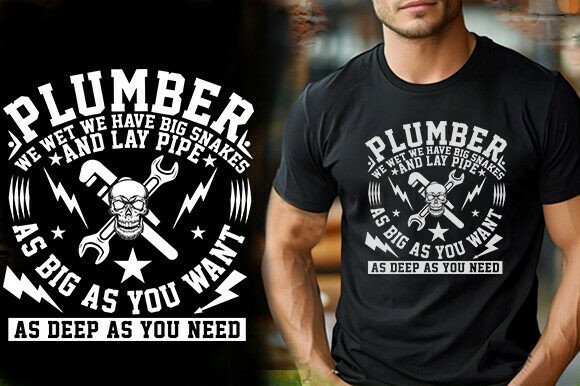
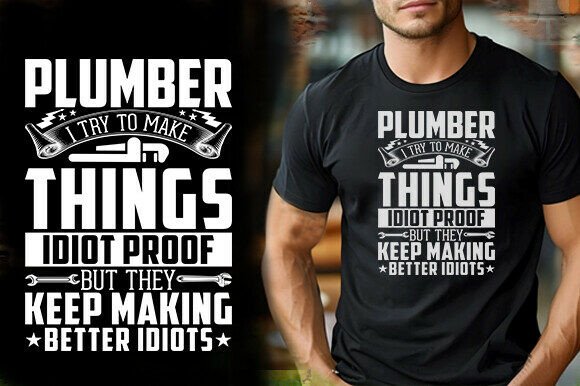
As an embroidery designer who has spent years digitizing and testing thousands of motifs, I approach every new machine embroidery design with a mix of curiosity and skepticism. We have all seen designs that look fantastic on a screen but turn into a tangled mess of thread breaks and puckering once they hit the fabric. Recently, I evaluated the PLUMBER I TRY to MAKE THINGS IDIOT PROOF graphic to determine its viability for real-world commercial and personal projects. This is not just a visual assessment; it is a practical breakdown of how this specific layout performs under the needle.
First Impressions and Visual Personality
The immediate appeal of PLUMBER I TRY to MAKE THINGS IDIOT PROOF lies in its blunt, humorous tone. It targets a specific niche—plumbers and tradespeople—with a sense of humor that resonates deeply within the industry. From a design perspective, the typography needs to be bold enough to remain legible after stitching, as humor lost in illegibility is useless. The layout suggests a strong horizontal orientation, which is ideal for chest placements on workwear or larger back prints on hoodies. The mood is casual, rugged, and confident. It does not try to be elegant; it tries to be clear. For an embroidery project, this clarity is crucial. If the lettering is too thin or the spacing too tight, the joke fails because the reader cannot decipher it quickly.
Real-World Application: The Workwear Test
To truly test this design, I simulated its application on a heavy-duty canvas tote bag and a structured cap, two common items for trade professionals. When considering custom apparel for plumbers, durability is key. A sweatshirt embroidery piece featuring this phrase serves as both uniform branding and a conversation starter. On a thick cotton hoodie, the design holds up well, provided the digitizer has accounted for the push-and-pull of the fabric. However, when moving to smaller items like a embroidered patch or a hat front, the length of the phrase becomes a critical factor. The text is long. Fitting PLUMBER I TRY to MAKE THINGS IDIOT PROOF into a standard 4x4 inch hoop is likely impossible without reducing the font size to a point where readability suffers. This design naturally belongs in a 5x7 or larger hoop format.
For Etsy sellers and small shop product creators, this graphic offers a ready-made solution for gift buyers searching for unique presents for fathers, husbands, or colleagues in the plumbing trade. It fits perfectly into the category of personalized gift items, especially if the seller offers the option to add a name or company logo beneath the main phrase. The commercial potential is high because it solves a specific gifting problem: finding something funny yet professional for a tradesman.
Technical Considerations for Stitching
From a technical standpoint, the success of this digital embroidery file depends heavily on stitch type selection. Long phrases require careful management of stitch density. If the designer uses a dense fill stitch for every letter, the fabric will pucker, and the garment may become stiff and uncomfortable. A smarter approach involves using satin stitch for smaller text elements and potentially a running stitch outline for larger block letters to reduce bulk. Since the source description mentions experience with Amazon and custom merch, one hopes the underlying file reflects this expertise, but verification is essential.
Fabric choice plays a massive role here. On textured fabrics like terry cloth towels or rough denim, fine details can get lost. I recommend testing this design on a smooth, medium-weight cotton first. If you are stitching on a tote bag design made of canvas, a cut-away stabilizer is non-negotiable to prevent distortion over time. For stretchy fabrics like performance tees, a tear-away stabilizer might suffice, but the risk of registration errors increases with longer text lines. Always check the alignment of the words "IDIOT PROOF" specifically; if these words shift even slightly during stitching, the comedic timing of the phrase is ruined.
Navigating Challenges and Limitations
While the concept is strong, there are areas where caution is required. Dark fabrics present a challenge for contrast. If the design relies on subtle shading or thin outlines, it will vanish on black or navy blue work shirts. In such cases, using high-contrast thread colors like white, bright yellow, or silver is necessary. Additionally, curved surfaces like baseball caps distort long horizontal lines. Stitching this entire phrase across the front panel of a cap would likely result in bowing. It is better suited for the side panels or as a smaller, stacked arrangement if the digitizer has provided a version optimized for headwear.
Another consideration is washability. Trade workers wash their clothes frequently and harshly. Dense stitching can crack or fray if not properly secured. Ensuring that the tie-offs are secure and that the fabric texture can support the weight of the thread is vital for customer satisfaction. A finished product that falls apart after three washes will damage your reputation as a craft business owner.
Enhancing Value and Brand Consistency
Using high-quality design assets like this elevates the perceived value of your handmade product. Customers associate clean, crisp embroidery with professionalism. When you offer a holiday embroidery item or a birthday gift featuring this design, the humor draws them in, but the quality keeps them coming back. For commercial embroidery shops, this design can be part of a broader collection of trade-specific humor, helping to build a recognizable brand identity. It signals that you understand your clientele’s culture.
When creating printable mockup images for your online store, ensure the digital representation matches the stitched reality. Misleading previews lead to returns. Show the design on various backgrounds to help customers visualize the final look. Whether it is for baby embroidery (perhaps a "Future Plumber" variant) or adult workwear, consistency in presentation builds trust.
Practical Designer Notes
Before committing to a large production run or listing this as a premium item, follow these steps:
- Test on Scrap Fabric: Always stitch a sample on the exact material you plan to sell. Check for puckering and thread breaks.
- Check Thread Contrast: Ensure the thread color stands out against the garment. High visibility is key for readability.
- Review Stitch Density: If the design feels heavy or stiff, consider asking the digitizer for a lighter version or adjusting settings if you have editing software.
- Confirm Hoop Size: Verify the maximum dimensions. Do not attempt to force a large design into a small hoop.
- Inspect Small Details: Zoom in on the letters "I" and "O". Are they closed? Are there jump stitches that need trimming?
- Licensing Verification: The product description mentions custom merch and Amazon experience, but it does not explicitly state commercial license terms. Always confirm whether the embroidery file includes a commercial use license before selling finished items. Never assume.
In conclusion, PLUMBER I TRY to MAKE THINGS IDIOT PROOF is a strong candidate for trade-focused merchandise. Its success relies on proper digitizing, appropriate fabric selection, and honest marketing. For the embroidery designer willing to pay attention to these details, it offers a reliable path to creating engaging, sellable products.