Reviewing the Danger Toxic Hazard Sign for Embroidery
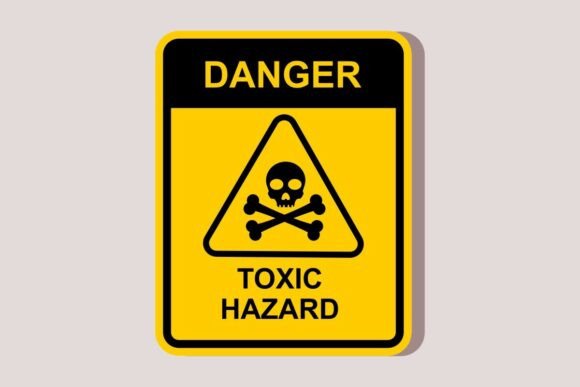
As a designer who spends half my life staring at digitized files and the other half watching needles punch through fabric, I have developed a healthy skepticism toward graphic-heavy designs. We often see bold Illustrations and Graphics that look stunning on a screen but turn into a tangled mess under the presser foot. Recently, I evaluated the Danger Toxic Hazard Warning Sign to determine if it holds up in real-world production. This is not just a theoretical review; it is an assessment of how this specific skull and crossbones motif performs when translated from a vector concept into thread.
First Impressions: Bold Lines and Clear Intent
The immediate appeal of the Danger Toxic Hazard Warning Sign lies in its high-contrast visual language. The skull and crossbones symbol is universally recognized, which means the design does not need to explain itself. For an embroidery project, this clarity is crucial. Complex gradients and subtle shading rarely translate well to thread, but strong, defined shapes do. The layout features a classic hazard warning structure, likely utilizing thick borders and central iconography. This geometric simplicity suggests that the design was created with scalability in mind, a vital trait for any versatile machine embroidery design.
The mood here is edgy yet playful, depending on the context. It is not necessarily morbid; rather, it taps into the popular "warning label" aesthetic seen in streetwear and modern home decor. When I first loaded the file into my editing software, I looked specifically for potential trouble spots: sharp corners that might cause thread breaks, and dense areas that could pucker lightweight fabric. The initial view suggested a balanced approach, relying on solid fills rather than excessive detail.
Real-World Application: From Concept to Stitch
To truly test the viability of this design, I imagined several common scenarios for my clients. Let us consider a custom tote bag design. A canvas tote provides a stable, medium-weight foundation that handles higher stitch density well. Placing the Danger Toxic Hazard Warning Sign centrally on a natural cotton bag creates an instant statement piece. The contrast between a bright yellow or orange border and black stitching would pop effectively, making it a strong seller for an Etsy seller targeting younger demographics or niche hobbyists.
Another practical application is sweatshirt embroidery. Here, the texture of the fleece or French terry adds complexity. If the design relies heavily on fine running stitch details for the skull’s features, they might get lost in the pile of the fabric. However, if the digitizer has used appropriate fill stitch techniques with slight underlay adjustments, the image will sit cleanly on top of the garment. I envision this working exceptionally well on the back of a hoodie or as a smaller chest logo on a workwear-style jacket, appealing to those who appreciate industrial chic aesthetics.
For custom apparel like t-shirts, caution is required. A standard jersey knit is stretchy and thin. If this embroidery file is too dense, it will cause the fabric to gather and distort around the hoop. In this case, using a cut-away stabilizer is non-negotiable. I would recommend testing the design on a scrap piece of the exact shirt material before committing to a full production run. The goal is to ensure the finished product feels soft and flexible, not like a stiff cardboard patch glued to the chest.
Navigating Technical Challenges
While the graphic nature of the Danger Toxic Hazard Warning Sign is an asset, it presents specific challenges that every craft business owner must address. The most critical factor is size relative to hoop size. If you attempt to shrink this design down for a baby hat or a small embroidered patch, the intricate curves of the skull and the sharp angles of the crossbones may merge. Thread has thickness; it cannot replicate the infinite precision of a vector line. Therefore, verifying the minimum recommended size is essential. If the provider does not specify this, you must run test stitches at decreasing sizes until the details blur.
Color selection also plays a pivotal role. This design inherently demands high contrast. Traditional hazard signs use black and yellow, but for a personalized gift or boutique item, you might explore alternative palettes. Imagine a pastel pink skull on a mint green background for a quirky nursery decor item, or white thread on denim for a subtle, tonal look. However, remember that low-contrast combinations can reduce legibility. Always check your design in black and white mockups to ensure the shape remains distinct regardless of thread colors.
Curved surfaces, such as caps, present another hurdle. The front panel of a cap is narrow and curved. Placing a wide rectangular warning sign here requires careful positioning. You may need to resize the artwork to fit the available space without distorting the aspect ratio. Using a stiff backing stabilizer is crucial here to prevent the cap from collapsing under the weight of the stitches.
Commercial Viability and Brand Consistency
For commercial embroidery projects, consistency is key. If you are producing a line of small shop product items featuring this motif, you need to ensure that every stitch-out looks identical. This means documenting your settings: tension, speed, and stabilizer type. The Danger Toxic Hazard Warning Sign can serve as a strong branding element for businesses in automotive, gaming, or alternative fashion sectors. It conveys a sense of danger and excitement, which can enhance buyer engagement and perceived value.
However, professionalism matters. Sloppy stitching, bird nests, or visible pull compensation errors will undermine the boldness of the design. Take time to trim jump stitches cleanly and press the area properly after hooping. A well-executed applique design version of this concept could also be interesting, where the skull is cut from felt or vinyl and stitched down, reducing stitch count and adding texture. If the original file is not an applique, consider whether creating one would better suit your production needs.
Practical Notes for the Designer
- Test on Scrap Fabric: Never skip this step. Use the same fabric and stabilizer combination you plan to use for the final embroidery project.
- Check Stitch Density: High density can cause puckering on thin fabrics. If the design feels stiff, consider resizing it larger or using a lighter fill pattern if you have editing software.
- Verify Licensing: Before selling handmade product items or digital embroidery file derivatives, confirm the license terms. Ensure you have commercial rights if you plan to sell physical goods.
- Contrast is King: Choose thread colors that stand out against the fabric. Dark thread on dark fabric will hide the details of the skull and crossbones.
- Inspect Small Details: Zoom in on the eyes and teeth of the skull. If they are too small, they may not stitch out cleanly. You may need to simplify these areas manually.
In conclusion, the Danger Toxic Hazard Warning Sign is a potent graphic for embroidery when handled with technical awareness. It bridges the gap between illustrative art and functional design, offering versatility for everything from holiday embroidery gifts to everyday custom apparel. By respecting the limitations of thread and fabric, and by prioritizing proper stabilization and sizing, you can transform this bold vector into a high-quality, tactile reality. Whether you are a seasoned apparel decorator or a hobbyist looking to expand your portfolio, this design offers a compelling challenge and a rewarding result.